
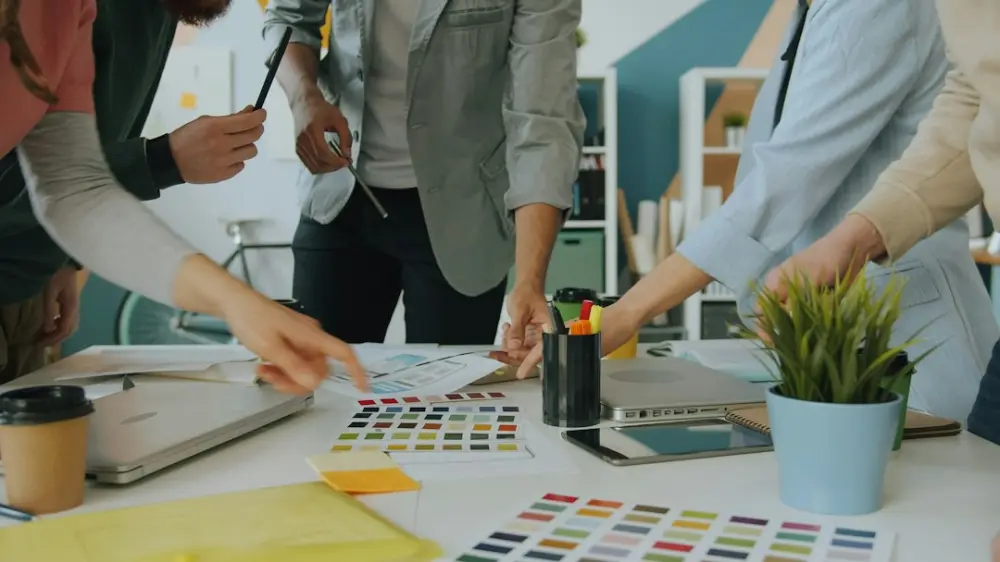
The landscape of 3D design has undergone a radical transformation by 2026. Generative AI is no longer a peripheral tool used for mood boarding; it is a central component of the production pipeline, influencing everything from procedural geometry generation to automated texture synthesis. As studios shift from manual vertex manipulation to AI-assisted workflows involving neural rendering and Gaussian splatting, the role of the creative lead has evolved from a technical supervisor to a strategic orchestrator. Managing a team of technical artists, prompt engineers, and traditional 3D modelers requires a balanced approach that respects legacy craftsmanship while embracing the speed of automated systems.
As creative directors navigate this transition, they face the challenge of maintaining artistic integrity in an era of infinite iterations. The ability to guide a team through rapid technological shifts while maintaining morale and project cohesion is the hallmark of modern studio success. Effective leadership in this context involves more than just keeping up with the latest software updates; it requires a deep understanding of human psychology, workflow optimization, and the ethical implications of using synthetic media in commercial projects.
Navigating the Hybrid Workflow Transition
In 2026, the most successful 3D design studios are those that have successfully blended traditional modeling techniques with high-velocity AI tools. This hybrid approach often creates friction within teams, as senior artists may feel their manual skills are being devalued, while junior artists may rely too heavily on automated outputs. A leader’s primary task is to redefine the value proposition of the human artist. Instead of focusing on the time spent on a task, leadership should emphasize the creative vision and the ability to refine AI-generated assets into production-ready content.
Implementing a structured transition involves setting clear expectations for how AI tools should be used. For instance, using generative systems for rapid prototyping allows a team to explore dozens of silhouettes or color palettes in hours rather than days. However, the final retopology and rigging often still require the precision of a skilled technical artist. By clearly defining which parts of the pipeline are automated and which require manual oversight, leaders can reduce anxiety and ensure that the final output meets the high-quality standards expected in modern gaming and cinematic environments.
Building a Culture of Continuous Learning
The pace of change in the creative AI sector means that a studio’s toolkit can become obsolete in a matter of months. To counter this, leaders must foster an environment where continuous learning is built into the weekly schedule. This is not just about providing access to tutorials; it is about creating a safe space for experimentation where artists can fail without jeopardizing project deadlines. Dedicated research and development time allows team members to explore new neural rendering techniques or experiment with custom-trained models that reflect the studio's unique aesthetic.
Effective mentorship plays a crucial role in this culture. Senior artists can mentor juniors on the fundamentals of light, shadow, and composition—principles that remain constant regardless of the tool used. Conversely, younger digital natives can often help senior staff master the nuances of AI interaction and latent space navigation. This cross-generational knowledge exchange strengthens the team and ensures that the studio remains competitive as new technologies emerge. Encouraging staff to share their findings in weekly internal presentations can turn individual discoveries into collective studio knowledge.
Integrating Professional Leadership Frameworks
Creative individuals often move into management roles based on their artistic talent rather than their experience in people management. This can lead to bottlenecks and communication breakdowns in complex 3D pipelines. To address this, many forward-thinking studios are encouraging their senior staff to pursue formal training in organizational management. By integrating the core tenets of ILM leadership and management, creative directors can better navigate the transition from traditional asset creation to AI-augmented production cycles. These frameworks provide a necessary foundation for handling the complex interpersonal dynamics of a high-pressure production environment.
Structured management training helps leads develop skills in conflict resolution, strategic planning, and performance monitoring. In a 3D studio, this might manifest as a more efficient daily stand-up meeting or a more transparent feedback loop during the review process. This article provides general information regarding management practices and does not constitute professional career or legal advice. Having a standardized approach to leadership ensures that every team member knows what is expected of them, which is particularly important when the underlying technology is in a state of constant flux.
Ethical Oversight in Generative 3D
As of 2026, the ethical use of AI is a primary concern for clients and stakeholders. Leaders in the 3D space must establish clear guidelines regarding the data used to train local models and the attribution of work. A creative lead must ensure that the studio is not inadvertently infringing on the intellectual property of other artists by using unregulated datasets. This involves implementing rigorous checks on the provenance of all AI-generated assets and maintaining a transparent log of how every model was developed.
Beyond legal compliance, ethical leadership involves protecting the rights of the artists within the studio. This means being honest about how AI will affect job roles and ensuring that the implementation of automation does not lead to exploitative work practices. By setting an ethical standard, leaders build trust with both their employees and their clients. This trust is a valuable asset that can differentiate a studio in a crowded market where many competitors may be taking shortcuts with synthetic media. Transparency in these processes is essential for long-term sustainability and brand reputation.
Resource Allocation and Pipeline Optimization
Managing a 3D studio in 2026 requires a sophisticated understanding of resource allocation. The cost of human labor must be balanced against the cost of compute power and software licensing for advanced AI models. Leaders need to determine when it is more cost-effective to use cloud-based rendering versus local inference, and when a task is better suited for a human artist versus an automated script. This requires a data-driven approach to management where project leads track the time and computational resources spent on various stages of production.
Optimization also extends to the creative process itself. By identifying repetitive tasks that can be automated—such as UV unwrapping, LOD (Level of Detail) generation, or basic material assignment—leaders can free up their artists to focus on high-impact creative work. This shift not only improves the studio’s bottom line but also increases employee satisfaction, as artists spend less time on tedious tasks and more time on the creative aspects of 3D design. Regularly auditing the pipeline for inefficiencies is a key responsibility for any lead in a modern creative environment.
Communication Strategies for Remote Creative Teams
With the rise of high-fidelity collaborative 3D spaces and virtual production environments, many creative teams are now fully distributed. Leading a remote team requires a different set of communication skills than managing an in-person studio. Leaders must be proactive in ensuring that every team member feels connected to the project’s vision. This often involves using real-time collaborative tools where multiple artists can work on the same 3D scene simultaneously, providing immediate feedback in a shared virtual space.
Clear, concise communication is essential to prevent the silos that often form in remote work. Using structured reporting methods and regular video check-ins helps maintain a sense of community. Furthermore, leaders must be mindful of the digital fatigue that can come from working in immersive environments for extended periods. Setting boundaries around working hours and encouraging offline creative time can help prevent burnout. By prioritizing clear communication and the well-being of the team, a leader can maintain a high level of productivity and creativity, regardless of where the individual team members are located geographically.